Why Gen Z is mourning an internet they never lived through, and what that longing really means for the rest of us…
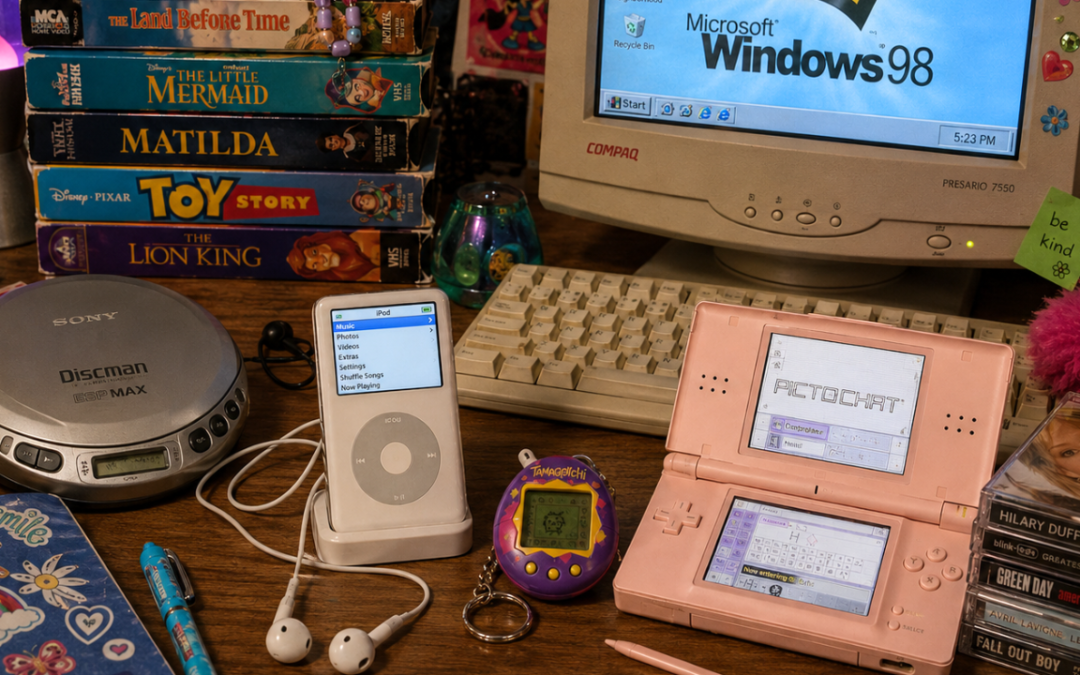
Lately, my algorithm has been flooded with posts about early 2000s cartoons, customized flip phones, and cyber decks, all with comments by 19 and 20-year-olds saying “technology should’ve stopped in the early mid 2010s” and “the early 2000s looked so fun.”
These are people who never got thumb cramps from texting on a slide keyboard or spent hours customizing their Tumblr page. And yet… they’re grieving it.
How can you miss something you never had? Well, the main point isn’t about the past, but a true reflection on the present.
What They’re Romanticizing
The early internet was slow and funky. It was a place you went, not a permanent presence living in your pocket, monitoring your attention, and feeding you content calibrated to keep you scrolling. Instead, you had to seek things out or stumble upon them.
GeoCities let anyone build a homepage with tiled backgrounds and blinking marquee text. Newgrounds gave teenagers a place to post weird Flash animations. AIM away messages were tiny, unfiltered windows into someone’s inner world. Nobody was optimizing for engagement. You logged on, explored, and logged off.
Now, through screenshots, memes, and millennials reflecting on their own past, Gen Z has absorbed the emotion of all this without the lived experience. Vaporwave. Y2K aesthetics on TikTok. Tumblr-era culture endlessly recirculated through edits and reblogs.
Researchers call this anemoia ~ nostalgia for a time one never actually lived through. The feeling is real even if the memory isn’t.
What They’re Actually Mourning
Today’s internet is a handful of platforms, owned by a handful of companies, optimized for one thing: keeping you on them. Not for you. For advertisers. Contrary to the early internet which felt like a commons anyone could build on. Gen Z inherited this already locked.
Through recent data, we’re already seeing a change. In a 2024 Harris Poll of 1,006 Gen Z adults aged 18–27, conducted in collaboration with social psychologist Jonathan Haidt, nearly half reported wishing TikTok (47%), Snapchat (43%), and X (50%) had never been invented. (Source: The Harris Poll) The Harris Poll
Don’t get this confused… They aren’t anti-technology. They’re against what technology has become.
The Rebellion In Action
This is where it stops being aesthetic and starts being behavioral: From 2021 to 2024, 18 to 24-year-olds drove a 148% spike in “brick phone” sales while their smartphone use dropped 12%. HMD reported flip phone sales doubling by 2023 with the hashtag #BringBackFlipPhones trending, used by 61+ million people during that period.
Gen Z makers are building cyberdecks (DIY computers) not because they’re more efficient, but because they’re theirs.. Neocities, modeled on old GeoCities, is filling up with hand-coded personal websites built by people who want a corner of the web that belongs to them.
On top of all this, according to a 2024 PYMNTS Intelligence report, Gen Z is the only major demographic actively reducing its number of connected devices as the national average rises.
These aren’t disconnected microtrends. They’re simply trying to reclaim what feels like theirs.
How Should Marketers Adapt?
The takeaway isn’t to copy Y2K aesthetics or lean on nostalgia as a visual trend. We can all smell a brand trying to look “retro” from a mile away. Instead, I would take this opportunity to truly grow with your target audience.
This generation responds to participation. Not consumption. Products they can configure, customize, and make their own.
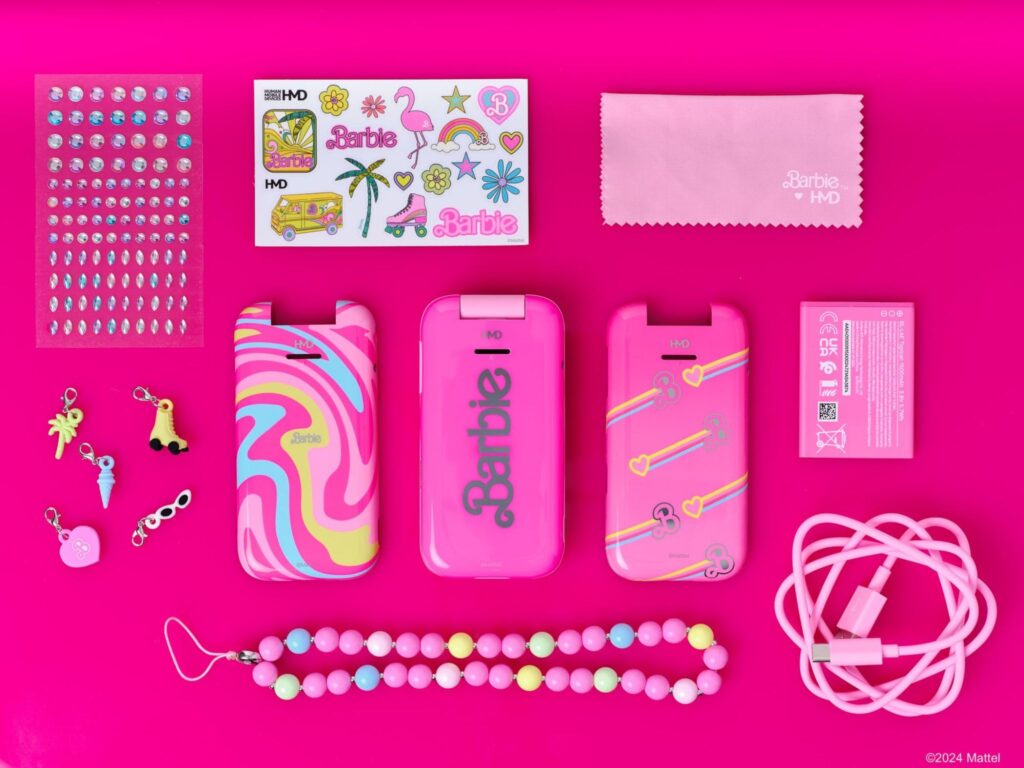
HMD nailed this with the Barbie Phone: a flip phone that ships with multiple swappable covers, stickers, and adhesive crystals so you can decorate it yourself. There are no distracting apps. Just calls, texts, a Malibu edition of Snake, and a blank canvas to bedazzle however you want.
This is what they want. Less closed ecosystem, more creative playground.
Back to the Comment Section
Those comment sections aren’t just Gen Z being dramatic. They’re a generation that grew up on an internet already owned by someone else, watching clips of a time when it wasn’t, and feeling something they can’t fully name but won’t stop reaching for.
The dumbphones and cyberdecks and hand-coded pages are easy to dismiss. But they point to something harder to argue with: people want to feel like they’re using technology, not the other way around. When your tools are engineered to extract your attention and monetize your behavior, opting out, even partially, becomes a political act.
That’s what this is really about. Not pixels from 2003 or the warmth of a flip phone hinge. It’s the feeling of being a person who made a choice, not a user whose choices were made for them.
If you’ve made it this far ~ thanks for sticking around.
Disclaimer, this is just my perspective shaped by years of building and running marketing across multiple industries. I’d love to hear your take. Whether it’s a different pov, a question, or something this article reminded you of. Find me on X or Linkedin. Growing together beats going at it alone.